You’ve probably heard it before “Backlinks are king.” Backlinks may be king, but low-quality ones can be toxic to your site’s rankings. In 2025, Google’s advanced algorithms detect manipulative linking practices, flagging sites with subpar backlinks. The truth is, backlink quality trumps quantity and it’s not about accumulating more backlinks, but about securing the right ones.
This guide will show you how to improve your backlink quality safely, like a pro; no shady tactics, no penalties and we will also share tools, techniques, and real-world insights on building high-quality backlinks naturally.
What Is Backlink Quality and Why Does It Matter?
Backlink quality refers to how valuable, trustworthy, and contextually relevant a link is in Google’s eyes. Unlike the early days of SEO where quantity was everything, backlink quality now carries more weight than ever.
Quality vs. Quantity
- Quantity: 1,000 random links from weak sites? Could do more harm than good.
- Quality: 10 strong, relevant backlinks from authority domains? SEO gold.
Google’s 2025 algorithm updates continue to favor contextual, authoritative, and user-driven backlinks. If your link comes from a site with real traffic, relevant content, and high domain authority, you’re on the right track.
5 Characteristics of a High-Quality Backlink
To improve your backlink quality, start by understanding what Google values. Here are top 5 you need to know
- Relevance to Your Niche: Links from websites in your industry or topic area carry more weight. A fitness blog linking to a digital marketing tool? That’s a red flag.
- Authority of the Referring Domain: Check the Domain Authority (DA) or Domain Rating (DR). Sites with scores above 40 are often seen as credible sources, this means; the higher, the better.
- Anchor Text Diversity: Google expects natural variation from your website. So, you want to avoid keyword-stuffed anchors like “best cheap backlinks 2025.” Use a mix of branded, generic, and contextual phrases.
- Contextual Placement: A backlink embedded inside a helpful article is much stronger than one sitting in a footer, sidebar, or random blogroll.
- Human Traffic on the Linking Page: If the page linking to you gets real visitors, Google sees it as valuable; especially if users click through to your site.
How to Safely Improve Your Backlink Quality in 2025
Let’s look at five safe, sustainable ways to improve backlink quality without risking penalties:
Method 1: Guest Post on Niche-Relevant Blogs
Guest posting isn’t dead! However, you just need to be strategic. Focus on blogs within your niche, preferably with real engagement and active social channels.
Search Tip: Use Google to find opportunities. Try:
- “write for us” + your niche
- “guest post guidelines” + topic
Method 2: Use HARO to Get Natural Authority Mentions
Help a Reporter Out (HARO) connects you with journalists looking for expert input. When you’re quoted, you usually get a free backlink from authority sites like Forbes, Business Insider, or tech blogs.
Bonus Tip: Use Qwoted or Terkel as alternative to HARO.
Method 3: Create Shareable Assets People Want to Link To
Do you want high-quality backlinks naturally? Then, you have to give people a reason to link to you by using:
- Infographics
- Statistics
- Tools or templates
- Case studies
- Expert roundups
When you create helpful, data-rich content, other blogs and writers link back to reference it.
Method 4: Audit and Clean Your Existing Backlinks
Sometimes improving backlink quality means removing the bad apples.
You can use tools like:
- Google Search Console (to monitor)
- Ahrefs or SEMrush (to detect toxic links)
- Disavow Tool (if you find spammy links that can’t be removed manually)
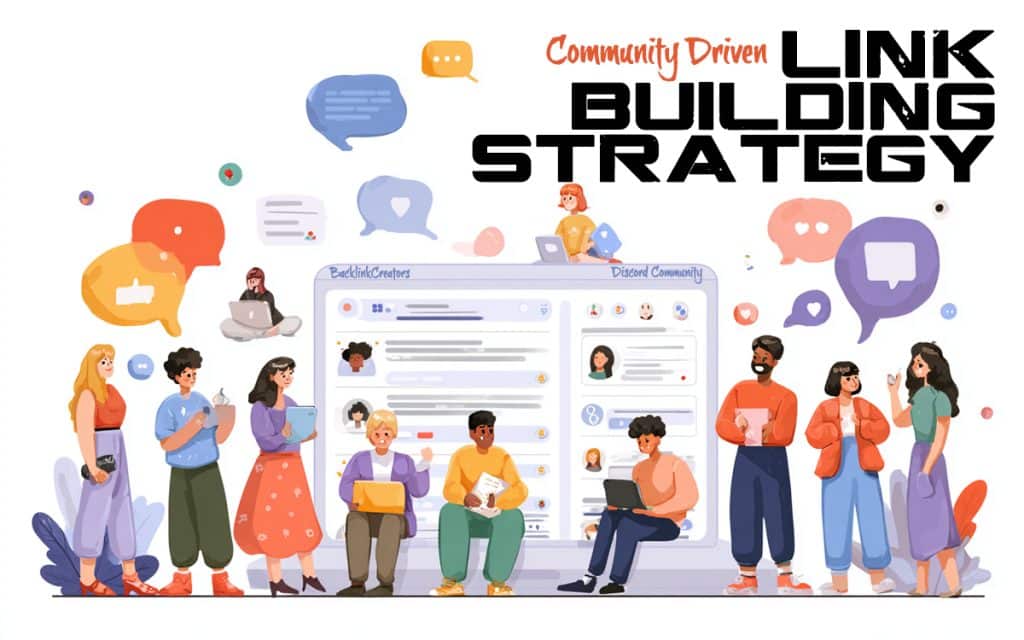
Method 5: Join Engagement-Driven Communities (Like Backlink Creators)
You don’t have to build alone. Communities like Backlink Creators Discord offer safe, monitored spaces to:
- Exchange backlinks with niche-aligned creators
- Boost each other’s Reddit, Quora, or Medium engagement
- Share feedback and discover SEO-safe strategies
Backlink growth community offers smart networking for safer SEO.
What to Avoid: Links That Can Get You Penalized
To avoid Google penalties for bad backlinks, steer clear of:
PBNs (Private Blog Networks)
Spammy comment sections or forum links
Low-relevance link exchanges
Irrelevant link placements (e.g., casino site linking to food blog)
Automated backlink software
One bad backlink can cancel out ten good ones.
Tools to Analyze and Improve Backlink Quality
Use these tools to measure backlink quality and clean up your link profile:
Top 3 Free Tools
- Google Search Console – spot spammy links or manual actions
- Ubersuggest – check domain authority + backlinks
- Moz Link Explorer – see spam scores and anchor texts
Top 3 Premium Tools (Advanced)
- Ahrefs – industry gold standard for backlink audits
- SEMrush – link audits + toxic score ratings
- CognitiveSEO – deep-dive backlink and penalty risk analysis
Final Thoughts: Build Smarter, Not Just Bigger
Backlink building in 2025 is about strategy, not spam. Instead of chasing hundreds of low-quality links, focus on relevance, authority, and context. Follow safe backlink building techniques and monitor what’s already pointing to your site.
Remember: quality backlinks help you rank. Bad backlinks can cost you everything.
👉 Want to build smarter backlinks with people who get it?
Join the Backlink Creators Community on Discord and grow your SEO authority the safe, smart way.